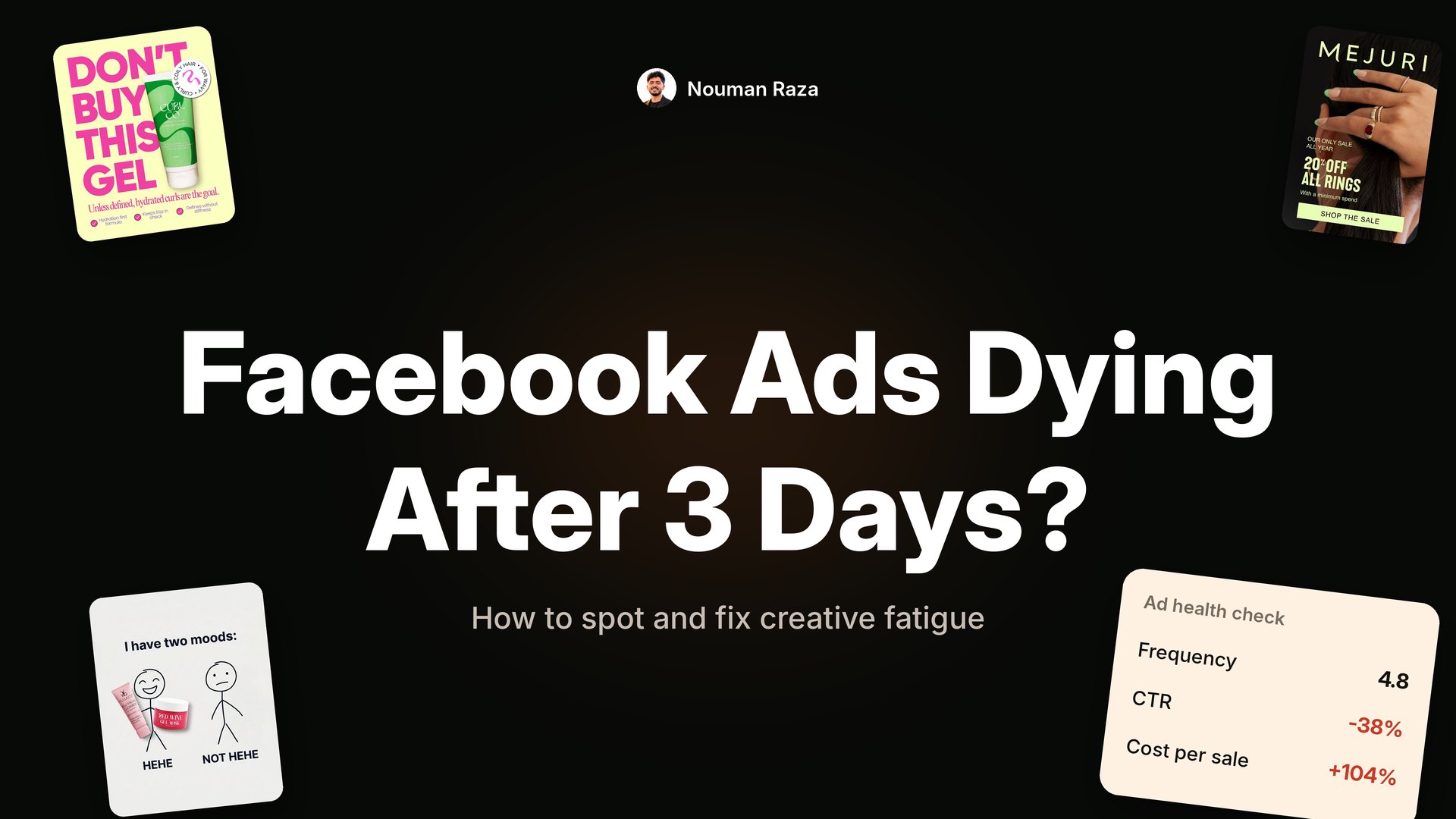
TL;DR: If your Facebook ads sell for a few days and then die, the problem is usually not your targeting. Your audience has seen the same message too many times, or the ad only ever spoke to one small group of people. Check the Delivery column for a "Creative fatigue" label, keep your winning angle, and give it new visuals, new hooks and new people to talk to. Then make new ads a weekly habit, not a rescue job.
This is one of the most common posts I see from store owners. "My ads made sales for three days and then stopped." Sometimes it is one week, sometimes two. The story is always the same. The ad worked, they spent more on it, and then the cost per sale went up and up until it was not worth running.
Most of the advice they get back is about audiences, budgets and bidding. Some of that matters. But in most cases the real issue sits in the ad itself. So in this post I will show you how to check whether it is creative fatigue, why it happens faster than people think, and the exact way I would fix it as the person who makes the ads.
What creative fatigue actually is
Creative fatigue is when an ad that used to work stops working because the people seeing it have already seen it, or because it only ever had one small pocket of buyers to talk to.
Think about it from the buyer's side. The first time someone sees your ad, it is new. The third time, they scroll past it. By the sixth time, the ad is basically wallpaper. Meta keeps showing it to the people most likely to buy, and once those people have bought (or decided not to), it has to go further and further out to people who care less. Your cost per sale goes up.
An ad does not die because it got worse. It dies because the people it was right for have already seen it.
Step 1: Check if it is really fatigue
Before you change anything, check. A lot of drops get blamed on fatigue when the real reason is a broken checkout, a stock issue, a price change, or a big sale from a competitor.
- Open the Delivery column in Ads Manager. Meta now marks some ads with "Creative fatigue" or "Creative limited." As Jon Loomer explains, "Creative fatigue" shows when the cost per result is at least two times what it used to be, and "Creative limited" shows when it is higher than before but not yet double.
- Look at cost per result over time, not frequency alone. Frequency on its own does not tell you much. A frequency of 4 is fine if sales are still coming in. It is only a problem when it climbs and results drop at the same time.
- Check the landing page. Open it on your phone, add to cart, go to checkout. If the drop came out of nowhere on one day, something probably broke.
- Check if it is one ad or every ad. If every ad dropped on the same day, it is probably not creative. If one ad slowly got worse while new ones are fine, that is fatigue.
What fatigue looks like in real numbers
Here is a simple example so you can spot it in your own account. Say you sell a $45 skincare product and your target cost per sale is $20.
- Week 1: the new ad spends $700 and brings 38 sales. That is about $18 per sale. Great.
- Week 2: you raise the budget. It spends $1,400 and brings 60 sales. About $23 per sale. Still fine.
- Week 3: it spends $1,400 and brings 41 sales. About $34 per sale. Now you are losing money on every order.
- Week 4: Ads Manager shows "Creative fatigue" next to the ad.
Notice two things. First, nothing changed in the ad. Second, the drop was slow, then fast. That is the normal shape of fatigue. By the time the label shows up, you have already lost a week or two of good money. This is why the best time to make new versions is week 2, when the ad is still working, not week 4.
A good habit is to look at a 7-day view of cost per result every Monday and compare it to the ad's first two weeks. If it is 30 to 50% higher and still climbing, start making new versions now. Do not wait for the label.
Why it happens so fast for small brands
Small brands feel this the most, and there are three simple reasons.
You only have one or two ads running. When the whole account sits on one winner, all the spend goes through one message. It burns out fast.
Your ads are too similar. Ten ads with the same headline and a different background color are not ten ads to Meta or to a buyer. They are one ad with ten outfits. Meta's newer delivery system rewards ads that are actually different from each other, so look-alike ads end up fighting for the same people.
Your audience is small. If you sell to a specific group, like new moms or truck owners in one state, you will reach the people who are ready to buy quickly. After that, you need a new reason for the next group to care. Coaches who run webinars feel this a lot, because they relaunch to the same people. I covered that in webinar ads for coaches.
Step 2: Keep the angle, change the ad
This is the part most people get wrong. When an ad dies, they throw away the whole idea and start from zero. But the angle (the reason people bought) still works. Only the execution got tired.
Here is an example from my own work. The headline idea is the same in all three of these ads: most business owners are paying more tax than they need to. The visual is different every time.
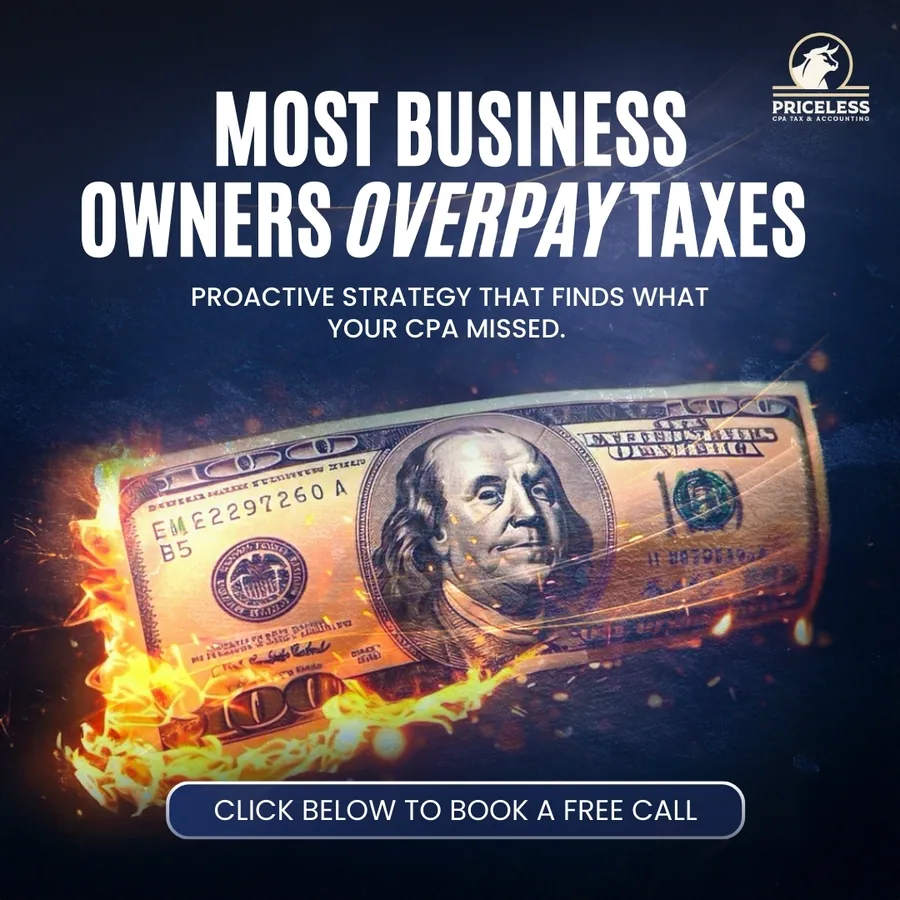


Same angle, new visuals. Each one can find people the last one did not stop.
When you keep the angle and change the ad, you keep what you learned and still give people something new to look at. These are the things I change first, in this order:
- The visual. New image, new product shot, new background, or a new style like lo-fi phone photo instead of a clean studio shot.
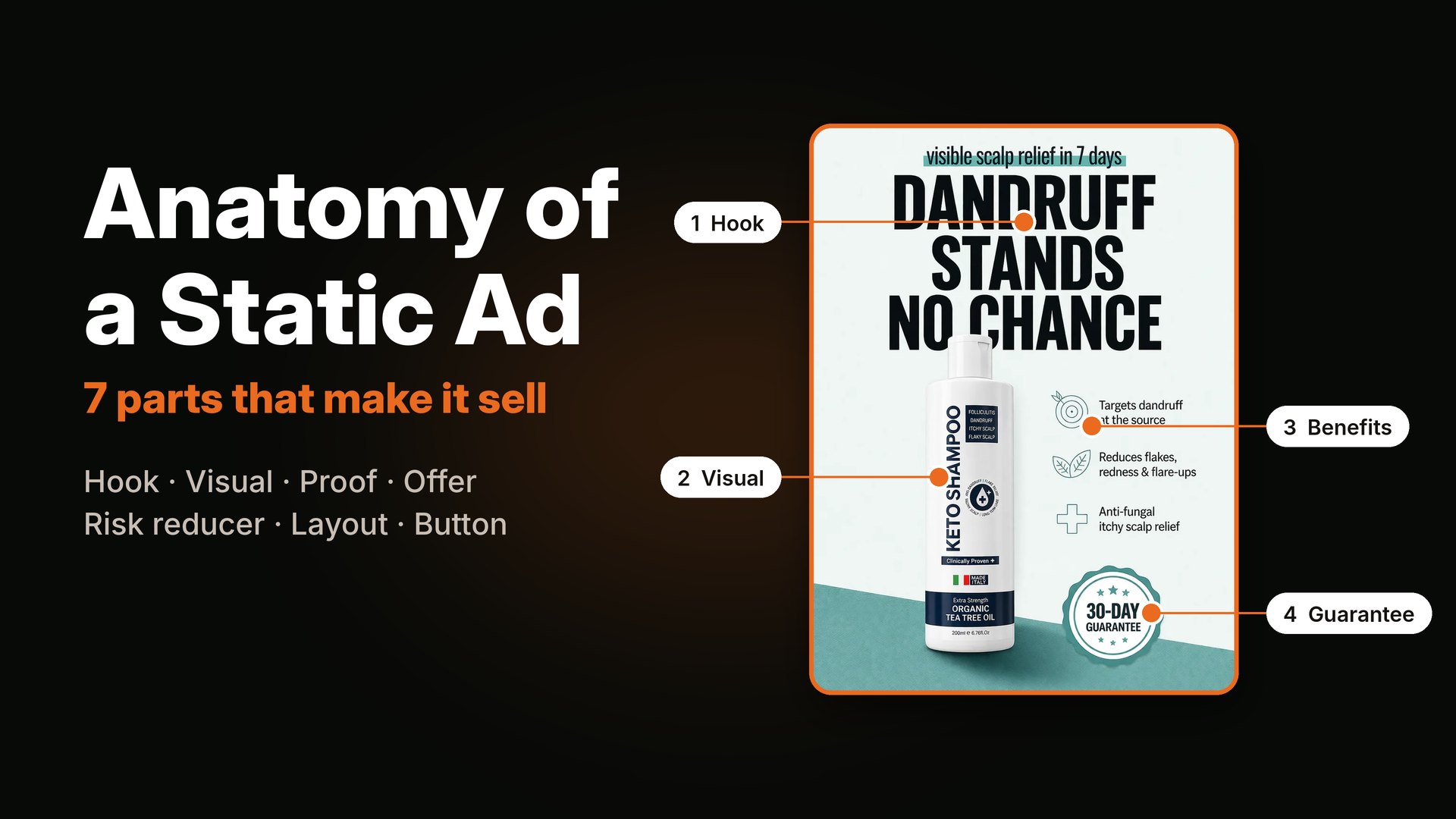
- The hook. The first line people read. Same promise, different way in. "Dandruff? No problem" and "Dandruff stands no chance" say the same thing to different moods.
- The format. If it was a benefit ad, make a before and after. If it was a review ad, make a comparison. Same message, new shape.
- The person you talk to. Same product, but now you speak to a new buyer. A shampoo ad for people with itchy scalp and one for people who are embarrassed by flakes on a black shirt are two different ads.
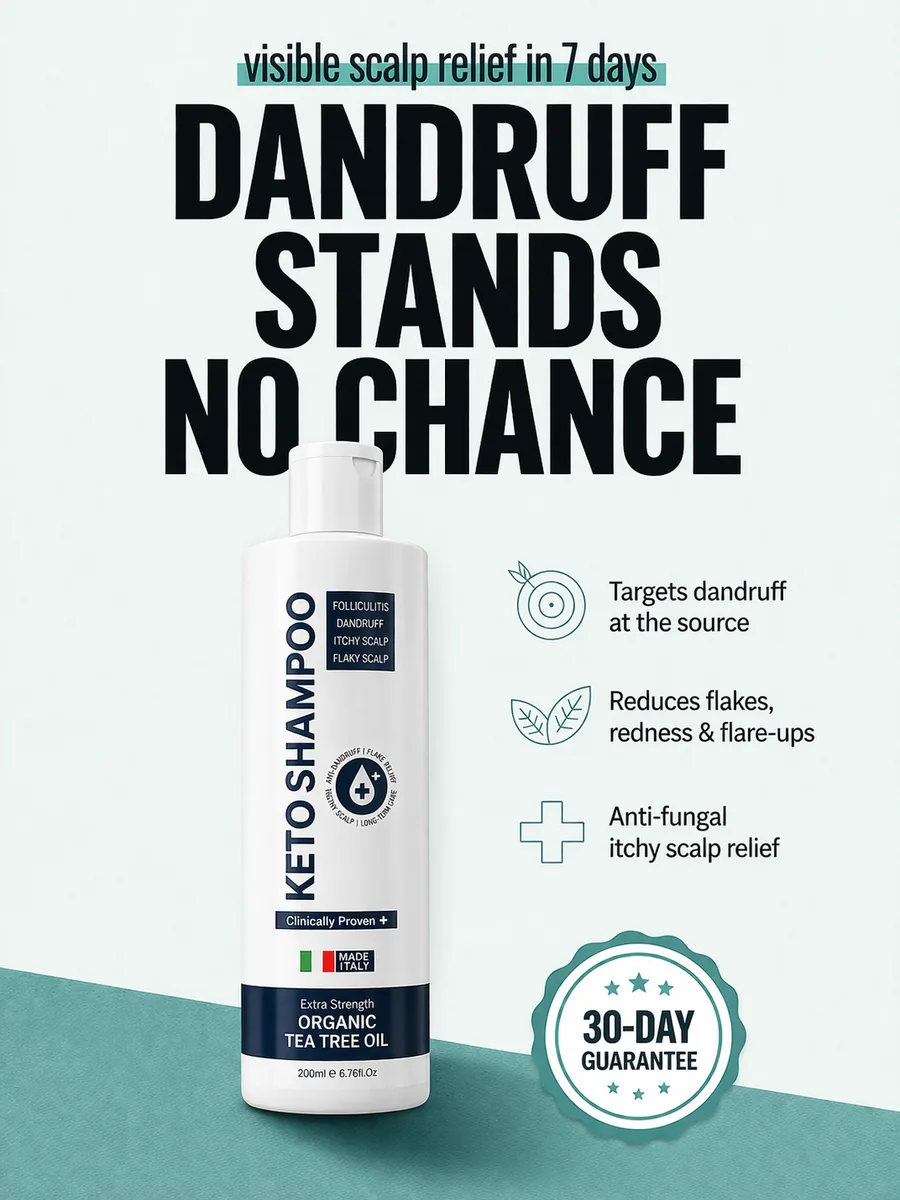
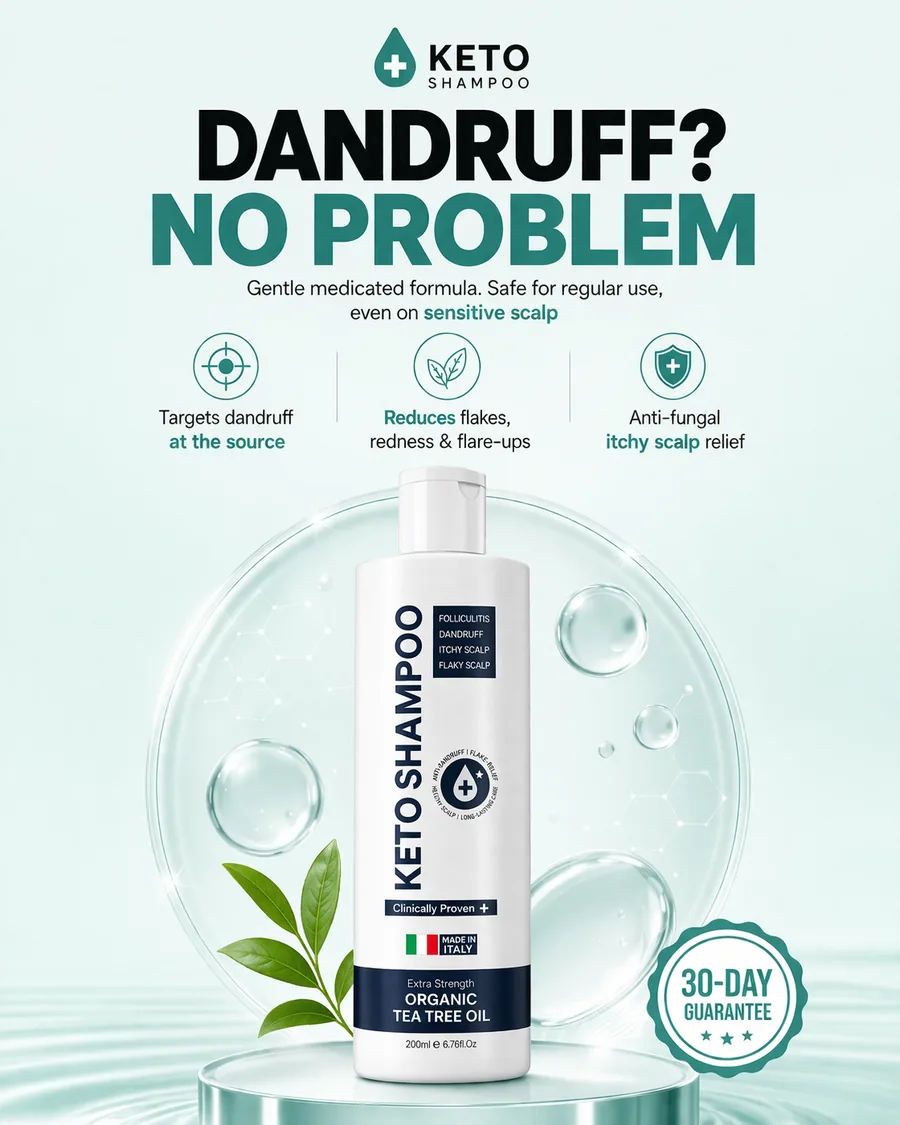
Two hooks for the same product. One is bold and confident, one is calm and friendly.
Turn one winning angle into ten new ads
When one ad works, I do not make one replacement. I make a small family of versions from the same angle, so the account has fuel for weeks. Here is the list I work from:
- Same headline, new hero image. A new product shot, a new model, or a close-up of the texture.
- Same headline, lo-fi version. Shot on a phone, on a kitchen counter or in a bathroom, so it looks like a real post.
- Same promise, question hook. "Still dealing with flakes?" instead of "Flakes gone in 7 days."
- Same promise, number hook. "92% saw a difference in 7 days" if you have the data to back it.
- Review version. A real customer review that says the same thing as the winning headline.
- Before and after version. Show the result the headline promises.
- Us vs them version. Your product next to the normal option, with the same main benefit called out.
- Objection version. Answer the reason people do not buy, like price, taste or "will it work for me?"
- New persona version. Same product, but the headline speaks to a different buyer, like a gift buyer or a first-time customer.
- Offer version. Same angle, but lead with the deal for people who are already warm.
You will not need all ten at once. But having them planned means you never sit there with a dying ad and nothing ready to launch.
How to brief new versions in five minutes
If someone else makes your ads, the brief decides how good the new versions are. If you do not have someone yet, here is how to hire a static ad designer. Keep it short. I like briefs that answer these questions:
- What is the winning ad? Attach it, with its main numbers.
- Why do you think it worked? One or two lines. "People love that it works in 7 days."
- What should stay the same? Usually the angle and the offer.
- What should change? The visual, the hook, the format or the persona.
- Who is the new version for? Same buyer, or a new one?
- What real words can we use? Paste a few lines from reviews or comments.
That is it. A clear brief like this gets you better versions in one round instead of three.
Step 3: Add new ads the right way
When you add your new versions, how you add them matters too.
- Put new ads into the ad set that is already running instead of starting a fresh campaign every time. Your old learning stays and Meta can test the new ads against the old one.
- Do not turn off the tired ad on day one. Let the new ones get some spend first. Turn the old one off when the new ones are clearly doing better.
- Make the new ads really different. Different visual, different hook, different format. If someone has to look twice to see the difference, it is too close.
- Do not refresh on a timer. Some people change ads every Monday no matter what. If an ad is still making money, leave it alone. Refresh when the numbers tell you to.
Step 4: Stop treating new ads as a rescue job
The real fix is not one batch of new ads. It is a habit. Brands that do not struggle with fatigue are not lucky. They just add new ads every week, so there is always something fresh ready before the old winner dies.
For most small and mid-size stores, three to five new ads a week is a good place to start. I wrote a full plan for this in how many ad creatives you should test per week, with numbers by budget.
A simple weekly rhythm looks like this:
- Monday: look at last week's numbers and find the ads that are slowing down.
- Tuesday and Wednesday: make new versions of your best angle, plus one or two brand new ideas.
- Thursday: launch them into your running ad set.
- Next Monday: check again.
Signs it is not fatigue (and what it is instead)
To be fair, sometimes the ad is fine and something else is wrong. Here is a quick way to tell.
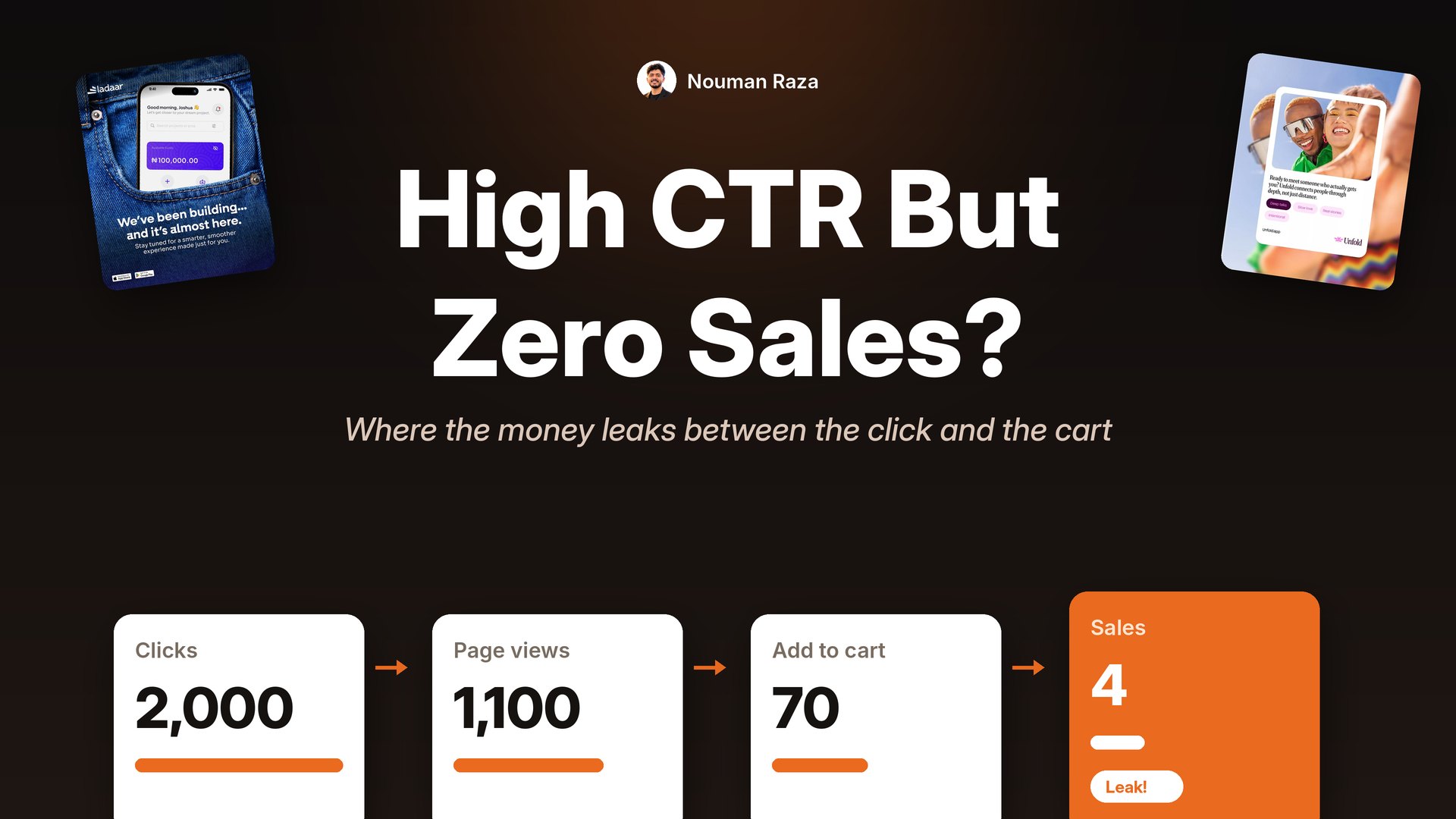
- Clicks stayed the same but sales dropped: look at the landing page, price or offer first. I wrote about this in high CTR but no sales.
- Every ad dropped on the same day: check tracking, payment, or a Meta account issue.
- The ad never really worked, it just had a lucky first few days: early results are noisy. Wait for real data before you call something a winner.
FAQ
How long does a Facebook ad usually last before it gets tired?
There is no fixed number. It depends on how big your audience is and how much you spend. A brand spending a lot on a small audience can tire out an ad in a week. A brand with a big audience and a small budget can run the same ad for months. Watch your cost per result, not the calendar.
Is high frequency always a bad sign?
No. Frequency only matters when it rises at the same time your results get worse. If people are seeing your ad four times and still buying, that is fine.
Should I duplicate my winning ad to fix fatigue?
Duplicating the same ad does not give people anything new to look at. It is better to keep the angle and make a new version of the ad with a different visual, hook or format.
Do static ads get tired faster than video ads?
Many marketers say statics wear out a bit faster, but they are also much faster and cheaper to make. That is the point of statics: you can make new versions every week without a big shoot.
How many new ads do I need to stop fatigue?
For most small brands, three to five new ads a week is enough to stay ahead. Bigger budgets need more.
Can I bring back an old ad that got tired?
Sometimes, yes. After a few months, a lot of people who saw it are gone or have forgotten it, and new people have come into your audience. Many brands bring old winners back with a small change and get good results again. Just test it like a new ad.
Is creative fatigue worse on small budgets?
It can be the opposite. Small budgets show the ad to fewer people, so fatigue often comes slower. The bigger problem on small budgets is having only one or two ads and nothing ready when they slow down.
Does fatigue happen with retargeting ads too?
Yes, and often faster, because retargeting audiences are small. Rotate retargeting ads more often and use different formats, like reviews, objection answers and offers.
Need fresh ads every week?
This is exactly the work I do. I take the angles that already work for you and turn them into new static ads every week, so your account always has something fresh ready. If that sounds useful, book a short call and we can look at your account together.